Kering Innovation Day 2026: Innovation Is an Attitude
0 results for ""
Group
|
January 28, 2026
Kering Innovation Day 2026: Innovation Is an Attitude
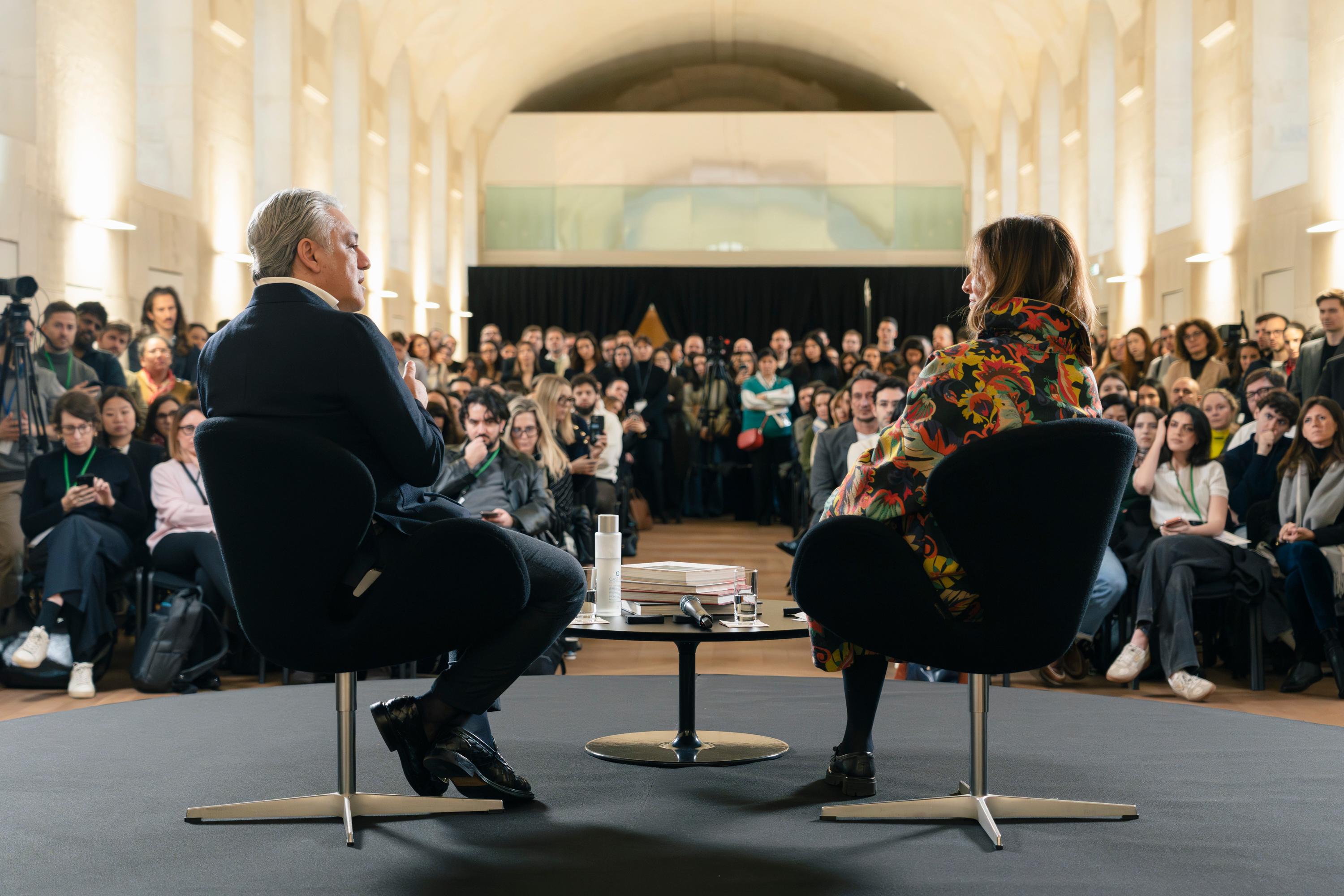
On January 22, the vaulted galleries of the historic Laennec headquarters transformed into an innovation hub where cutting-edge startups, Kering decision-makers, and visionary speakers converged. This was the 2026 Kering Innovation Day.
Dedicated to a single theme—elevating the customer journey—the immersive event connected Kering teams with the people, solutions, and ideas that can transform how they work. Over 450 participants from across Kering Houses enjoyed inspiring talks and pitches, engaged with 16 carefully curated startups, and discovered technologies that promise to reshape how luxury brands connect with their clients.


"Elevating the customer journey"
The day opened with an address by Luca de Meo, Chief Executive Officer of Kering, who framed innovation as a strategic necessity.

“Innovation is an attitude,” he said, insisting that it cannot be confined to a single function, but should be woven into the fabric of how Houses operate. While luxury draws its strength from heritage and craftsmanship, it must also project itself into the future. As customer expectations evolve—shaped by digital, retail, and service experiences across industries—the industry must adapt while preserving its human and creative core.
Against this backdrop, de Meo outlined three priority areas for the Group: AI-Powered Creativity and 3D Innovation, Operational Excellence, and Smart Digital Experiences – areas where technology can have the most immediate and meaningful impact.
This vision structured the entire day. Talks, startup pitches, live demos, and networking sessions unfolded across three interconnected spaces—the Conference Zone, the Startup Playground, and the Experiential Area—allowing participants to move freely between inspiration, exploration, and connection.
Exploring innovative solutions
Following the keynote, participants moved into the first pitch session of the day, exploring how AI can empower brands to create more seamless and emotionally resonant interactions.
GRACE and IF returns concentrated on the post‑purchase phase, showing how better protection and smarter returns management can turn potentially fragile moments into drivers of loyalty and growth. Meanwhile, Kahoona, Listen and Airpanel explored how to read and respond to online customer signals in real time – segmenting visitors, listening at scale to what users want, and testing ideas with hyper‑realistic AI consumers to refine content and journeys before they go live.
Sessions continued throughout the day, with startups taking to the stage for fast-paced five-minute presentations followed by live Q&A, enabling immediate dialogue around how these technologies could address concrete challenges within the Houses.


Inspiring new perspectives
Interspersed with pitch sessions, the Conference Area also hosted a series of inspiring talks designed to shift the focus beyond individual solutions.
In the first, speakers from Google discussed how visual discovery tools and agentic AI can connect high intent customers with brands by understanding context, intent, and occasion, recreating a boutique level sense of personalization online.
These talks also created moments to reflect on how innovation can be developed and scaled, spotlighting ALIX, the visual merchandising tool born from Kering 2024 generative AI hackathon, which illustrated how technology can bring structure and efficiency to in-store display creation.
Leveraging insights from the National Retail Federation conference, the closing talk situated these explorations within the broader trends transforming retail, technology, and luxury – exactly where Kering intends to play.
Meeting the innovators
With the perspectives raised on stage still resonating, participants moved into the Startup Playground. The space buzzed as teams from the Houses imagined how these solutions, presented by 14 startups, could plug into real client journeys.
Among them were Measmerize, which uses AI and product data to address size confidence in e-commerce, and Awen, which enables teams to generate narratives, images, and videos simply by describing their intent.


Elsewhere, Marqvision and Gaudier illustrated how efficiency behind the scenes supports excellence in front: Marqvision by using AI to monitor and take down counterfeit content at scale, and Gaudier by connecting in store devices—from lighting to sensors and interactive displays—through its Maestro system to orchestrate experiences and capture performance insights.
POWER.xyz, meanwhile, demonstrated how 3D and AI can influence content creation and visual commerce, using a single master 3D asset to power multiple visual commerce use cases, streamline creative pipelines, and enable immersive, consistent shopping experiences.
Connection as catalyst
To maximize collaboration, the event featured two dedicated speed networking sessions and customized startup tours guiding Kering teams through the exhibition based on their specific needs. In parallel, the Experiential Area invited participants to step into the customer's shoes and test emerging technologies firsthand. ALIX was showcased in action, while UMIA—the first AI-powered nail machine—offered instant logo manicures, providing a playful glimpse of automated personalization at scale.
Google and Snap showcased next-generation virtual experiences that seamlessly bridge digital discovery and physical retail, with Google highlighting its Nano Banana and Veo technologies for high-fidelity, real-time virtual try-on of garments and accessories. Snap, meanwhile, presented Spectacles, its augmented reality (AR) glasses, alongside an interactive Vanity Mirror enabling visitors to explore AR experiences created by Kering Houses.


Inspire, explore, connect
As the day concluded with an extended networking session, conversations continued around shared challenges and future collaborations. Kering Innovation Day once again demonstrated how innovation thrives through openness and exchange – creating the conditions for technology to support ambitious transformation, while remaining firmly in service of creativity, craftsmanship and the customer journey.