The Kering Foundation: Long-term action to break the cycle of violence
0 results for ""
Group
|
November 25, 2025
The Kering Foundation: Long-term action to break the cycle of violence
Every year, the 20th and 25th of November foreground children’s rights and the fight to end violence against women. Beyond this campaign to raise awareness, essential work is carried out on a daily basis by organizations which shelter, protect, and support survivors of violence.
Céline Bonnaire, Executive Director of the Kering Foundation, discusses the Foundation’s commitment to providing long-term support to these organizations.
The month of November marks World Children’s Day and the International Day for the Elimination of Violence Against Women. Why does this time of the year resonate so strongly with the Kering Foundation today?
The 25th of November has always been an important date for the Kering Foundation, because it raises awareness of the realities of violence against women. Since 2023, we have expanded our scope to address violence against children, particularly sexual violence and incest: the 20th of November has thus become a key date for us.
This choice stems from the observations reported by the organizations we support: many women survivors also experienced abuse as children. If we truly want to put an end to violence against women, we must continue to support survivors while also addressing the root causes of the issue, starting from childhood. These worldwide days of action are an opportunity to raise awareness and highlight the urgent need to make progress on both fronts, jointly.
In concrete terms, how does this decision to work at the intersection of gender-based violence and child abuse influence the Kering Foundation's approach?
Our approach remains unchanged: we will continue to build long-term partnerships with local organizations. However, our new positioning means that we are now supporting actors who, historically, have not always worked together, because they have had different priorities.
Our role is to understand how they work so that we can tailor our support to meet their needs and, above all, to build bridges. To break the cycle of violence passed down through generations, we must also foster collaboration among stakeholders. Working in tandem allows us to better prevent abuse and to better support survivors.
For 17 years, the Foundation has been committed to combating violence against women. How has your work evolved over time, and which projects illustrate its scope?
In 2008, we decided to take action to address a global issue: 1 in 3 women has, or will, experience domestic violence during her lifetime. Our aim has been to provide practical on-the-ground support through partnerships built on trust, long-term commitment, and flexibility.
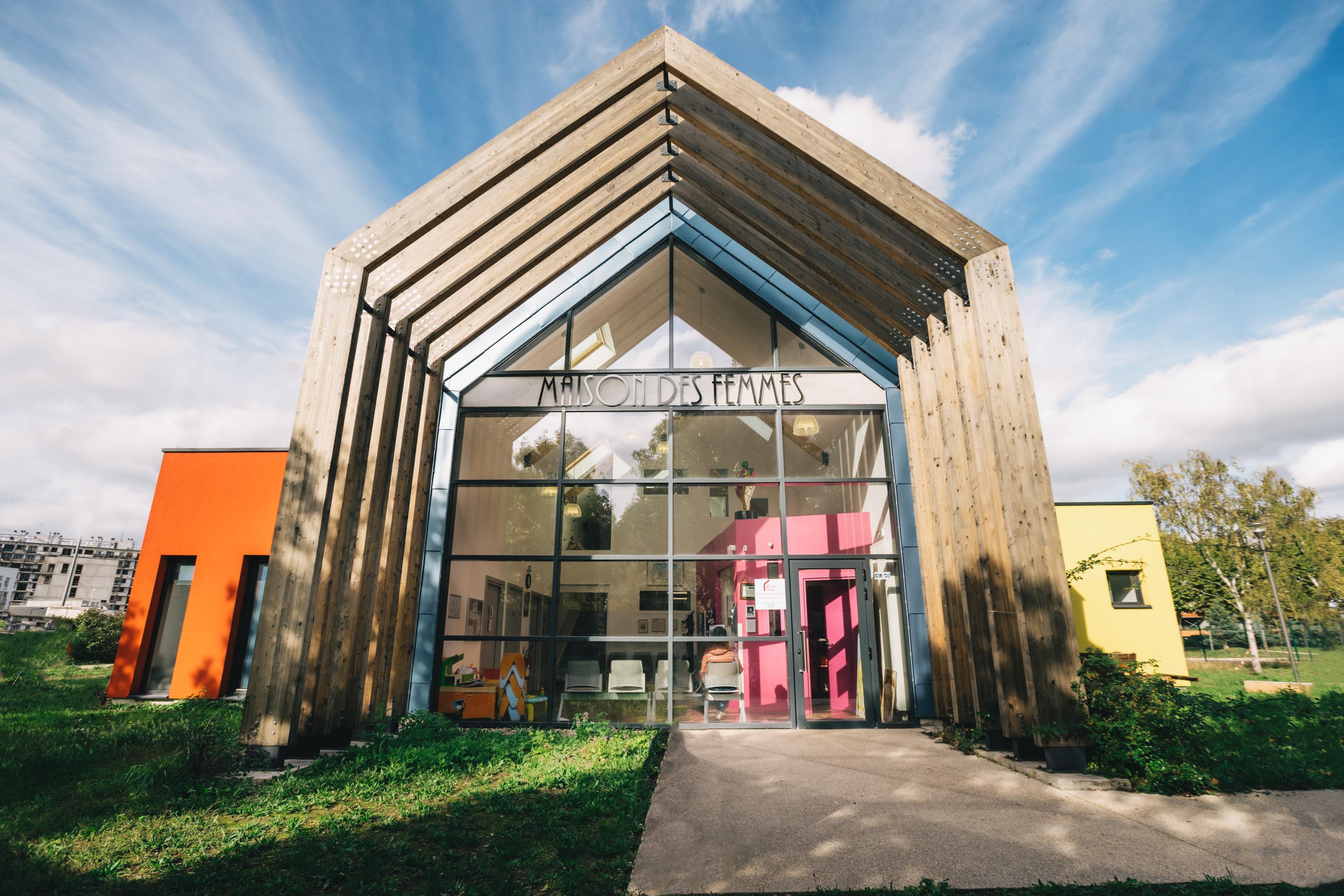
La Maison des femmes de Saint-Denis is an ideal example of this. We have supported this initiative since its inception, when it was still just a project backed by Dr. Ghada Hatem-Gantzer and the strength of her conviction. The idea was to create a single center where women can access comprehensive medical, psychological, social, and legal support. After demonstrating its effectiveness, La Maison des femmes received public recognition and funding from the French ministry of health, which ensured the project’s long-term viability. In 2021, François-Henri Pinault announced his support for replicating the project: of the 15 Maisons des Femmes that the Kering Foundation has committed to supporting, eight have already opened, with partner organizations mobilizing throughout the country.
In the same vein, we also support Mon Palier, a pilot project linked to the Maison des femmes de Saint-Denis, which offers young women aged 18 to 25 safe accommodation and help in achieving independence, ensuring their continued support as they leave care.
Over the past 17 years, awareness of violence against women has grown, thanks to the efforts of many organizations and communities. Our role has been to contribute to this momentum by supporting the organizations that shelter, protect, and support women on a daily basis.
Your strategy is currently built on three complementary pillars. How do they translate into concrete actions?
The first pillar of our work consists of resourcing and supporting specialized organizations that assist women and children, as well as supporting prevention initiatives starting from a young age. We build partnerships with a limited number of organizations so that we can provide them with support which is closely tailored to their needs. One of our recent commitments is to provide support for the Alexis Danan association in Brittany, which prepares children for the legal process in order to lessen the emotional strain on them. We are also the main partner of the organization IM'PACTES, which works with children in care and will be opening its Asterya Center in December: a single place where children can access comprehensive medical, psychological, educational, and cultural care to support them in their recovery.
The second pillar consists of getting Kering and its entire ecosystem involved. In 2011, we created awareness-raising programs in collaboration with organizations such as the Fédération nationale Solidarité Femmes en France. These training courses are now available in the form of 2.5-hour workshops, 1.5-hour webinars, and 30-minute e-learning modules. We are also working with Children’s Advocacy Centers in the United States on a pilot project to prevent child abuse. Our goal is to make the workplace a safe space where anyone who is affected by abuse is heard and offered guidance.
And finally, the third pillar or our work consists of influencing and mobilizing new actors. The Kering Foundation is a co-founder of the One In Three Women network, a group of around 50 companies committed to eliminating gender-based violence in France, and a member of the PARI Insieme Contro la violenza network since 2024, alongside 24 Italian companies.
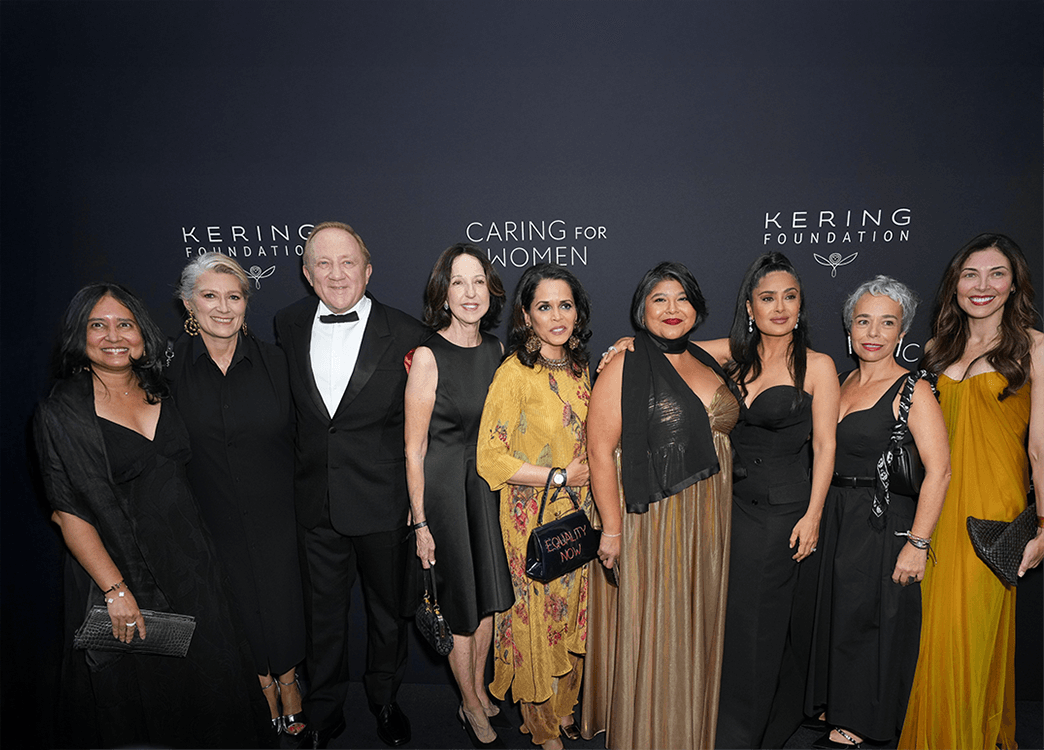
For the past four years, we have also organized the Caring for Women dinner, which brings together artists, brands, and donors in support of a common cause. In total, the event has raised $14 million while also raising awareness of gender-based violence internationally.
The Kering Foundation has now begun to invest in research. What’s the reason for this evolution?
This new focus is consistent with the Kering Foundation’s core values: to go where needs are still largely unmet and where we can best contribute to making a difference. Research is vital to helping us understand how violence takes root and how it can sometimes passed down from one generation to the next. Gaining a better understanding of these underlying causes will allow us to identify new avenues for action.
This is why we are launching a research program in partnership with McGill University in Canada and the Sexual Violence Research Initiative (SVRI) in South Africa. Our work with McGill will focus on the importance of listening to children as they rebuild their lives, and will be carried out in close collaboration with support structures in France and Quebec. Our partnership with SVRI will support eight young researchers in their work on the intersection of different types of abuse, in direct collaboration with professionals and organizations.
With both partners, our role will be to disseminate knowledge by organizing opportunities for dialogue between researchers, and later by supporting their publications and sharing their findings across the field.
And what message would you like communicate today, on the 25th of November?
Recent years have seen significant progress in terms of rights and increasing awareness regarding these issues. However, we are also living in a period of great tension: funding is drying up, organizations are vulnerable, masculinist movements are gaining ground, and young people are being exposed to violence at a very early age, particularly online.
Given this climate, nobody can do what needs to be done alone. It is by working together—in concert with organizations, government agencies, businesses, researchers, and families—that we will be able to better prevent and fight violence across generations.
“What our experience in the field has taught us is clear: abuse often occurs at a very early age. In order to prevent it, we must listen to, protect, and support children from childhood onwards.”