Regenerative Fund for Nature: current projects
0 results for ""
- Kering
- Sustainability
- Safeguarding the planet
- Regenerative Fund for Nature
- Regenerative Fund for Nature: current projects
Regenerative Fund for Nature: current projects
The Regenerative Fund for Nature supports promising regenerative agriculture projects around the world to drive a transition from current farming methods to regenerative practices, with the aim to cover 1,000,000 hectares of crops and rangelands across fashion’s supply chains. Launched by Kering and Conservation International in 2021, with Inditex joining in 2023, the initiative is an innovative finance mechanism contributing to the creation of a more sustainable and regenerative future.
Through this initiative, Kering and Inditex provide financial support to farmers in their transition from current agricultural practices, which have a large impact on the climate and our planet, to more regenerative approaches that restore nature and mitigate climate change. The Fund is currently focused on leather, cotton, wool, and cashmere.
By the end of 2024, the Fund’s project portfolio was diverse and powerful, standing out for the innovative approaches showcased by each initiative. Overall, there were thirteen projects in eight countries with 1.1 million hectares and 105,000 beneficiaries enrolled, directly or indirectly impacted by the Regenerative Fund for Nature investments.
The scope of the initiative underlines Kering’s ongoing commitment to protect nature through concrete actions and our ambition to pave the way for sustainable luxury
Discover the Regenerative Fund for Nature’s 2024 Annual Report for further details on the projects outlined below.
Current projects

Regenerative and Wildlife-Friendly Livestock Management
Region: Patagonia, Argentina
Core raw materials concerned: Sheep Wool and Guanaco fiber
From 2022 to 2024, through investments from the Regenerative Fund for Nature, Wildlife Conservation Society worked with communities across 300,000+ hectares of Patagonia to shift livestock management practices toward more regenerative outcomes. Age-old practices, like using guard dogs to naturally deter predators, were combined with newer innovations, like carbon payment structures, to create a comprehensive approach that has led to positive gains.
Learn more here.

Improving Cattle Production in the Caldenal
Region: Caldenal, La Pampa, Argentina
Core raw material concerned: Cattle leather
The Wildlife Conservation Society and Wildlife Friendly Enterprise Network’s Caldenal project was established through the Regenerative Fund for Nature in 2024 to implement regenerative and wildlife-friendly cattle production with 27 ranchers in the Caldenal.
Learn more here.

Silvopastoral Grazing System in the Gran Chaco
Region: Gran Chaco, Argentina
Core raw material concerned: Cattle leather
Fundación Solidaridad Latinoamericana’s (FSLA) initial Argentine Cattle Leather project works with Creole and Indigenous smallholder cattle producers in the Gran Chaco biome in Argentina. Established in 2022 through a Regenerative Fund for Nature investment, the project enhances the sustainability of extensive grazing systems through a Regenerative Silvopastoral Production model—integrating trees, forage and livestock—to restore degraded landscapes and secure resilient livelihoods. The project is pioneering a transformative approach to regenerative livestock management that combines locally tailored innovations with a scalable model.
Learn more here.
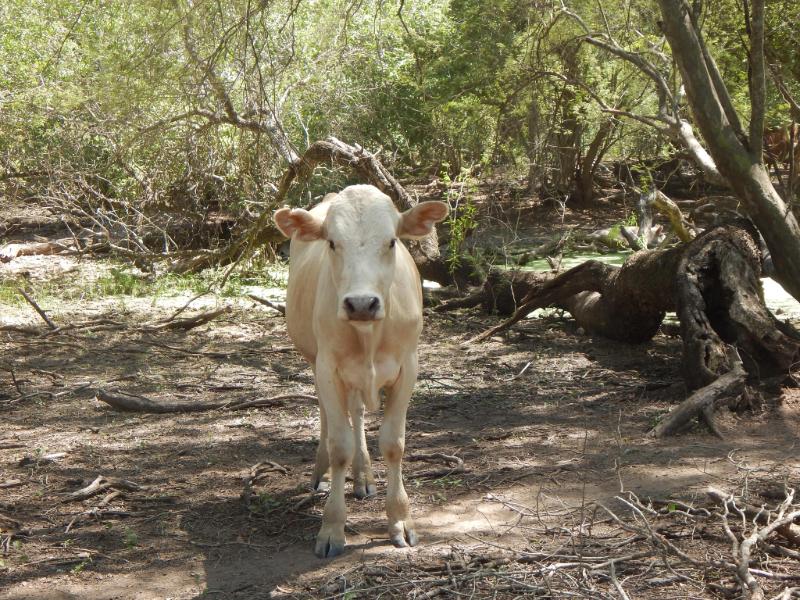
Regenerative Cattle Center
Region: Gran Chaco, Argentina
Core raw material concerned: Cattle leather
Fundación Solidaridad Latinoamericana’s (FSLA) second Gran Chaco project with the Regenerative Fund for Nature, launched in 2024, focuses on establishing a self-sustaining Regenerative Cattle Center in Morillo. The Center offers demonstration plots, technical services and a sustainable income model that exemplifies long-term support.
Learn more here.
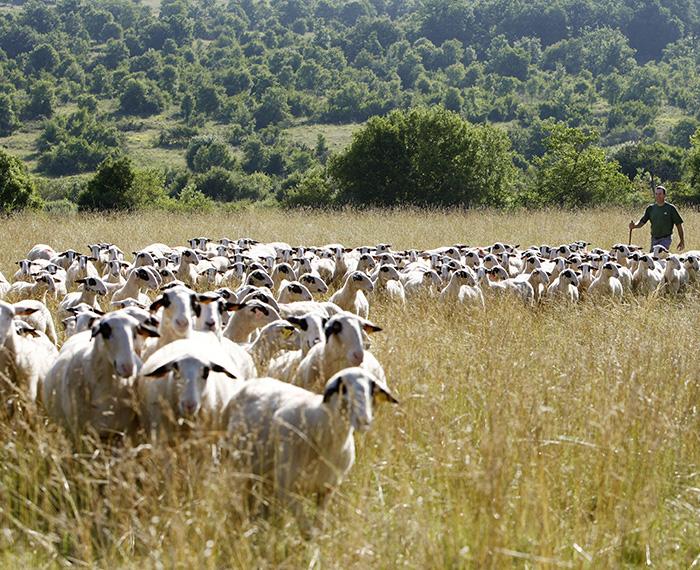


Regenerative Practices and Social Outcomes
Region: Quercy, France
Core raw material concerned: Sheep leather
The Regenerative Fund for Nature launched the Epiterre project focused on creating positive ecological and social outcomes by increasing fodder crops diversity and working to promote the benefits of improving biodiversity and environmental outcomes.
Learn more here.
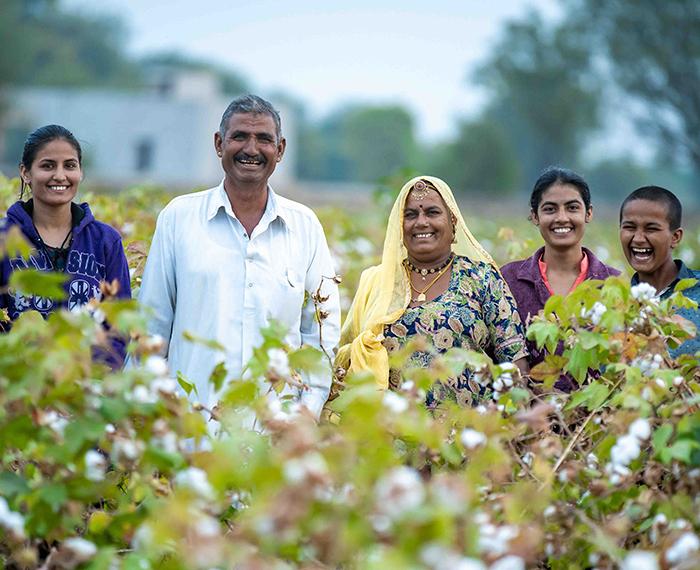
Transitioning Conventional Cotton Farmers to Organic and Regenerative Practices
Region: Madhya Pradesh, Odisha, Rajasthan and Gujarat, India
Core raw material concerned: Cotton
The Regenerative Fund for Nature launched its first project with the Organic Cotton Accelerator (OCA) in 2022 in the Madhya Pradesh, Odisha, Rajasthan, and Gujarat regions of India focused on supporting the transition of 2,000 cotton farmers to organic agriculture. The project was supported by implementation partners who provided certification, access to non-GMO seed, reporting support and data validation.
Learn more here.
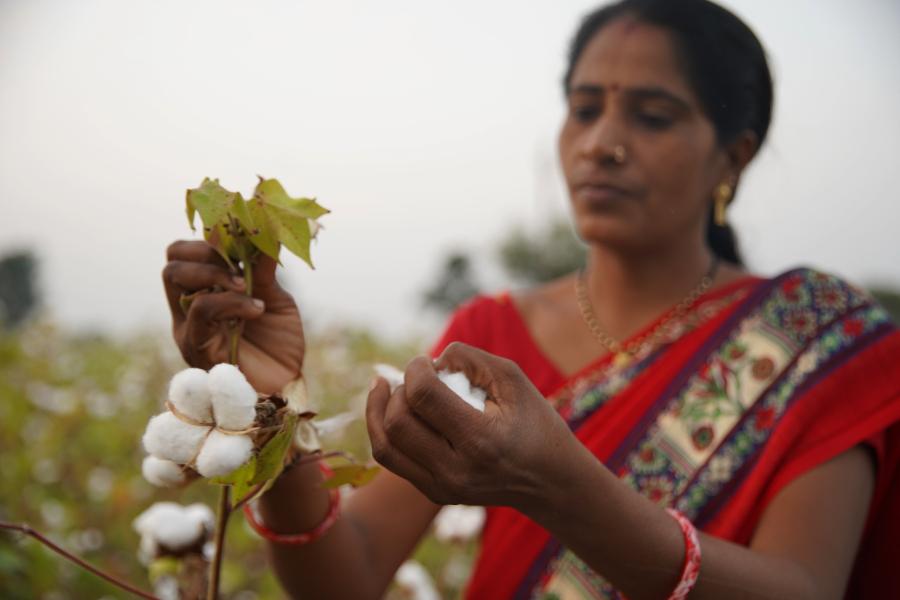
Madhya Pradesh Expansion
Region: Madhya Pradesh, Odisha, Rajasthan and Gujarat, India
Core raw material concerned: Cotton
In 2023, the Organic Cotton Accelerator (OCA) project in the Madhya Pradesh region was expanded and set a goal to reach 25,600 farmers. India’s Fund projects leverage OCA’s Farm Programme which is a direct-to-farm sourcing model and capacity-building intervention. It supports farmers to grow organic cotton and prioritizes farmer prosperity by creating a secure market for farmers to sell their organic cotton. In addition to transitioning conventional cotton farms toward organic and regenerative practices, these projects also pilot new, innovative techniques like piloting biochar insetting for carbon credit payments, using bio-based pesticides from local resources, and intercropping food commodities to diversify incomes and improve biodiversity and soil health.
Learn more here.
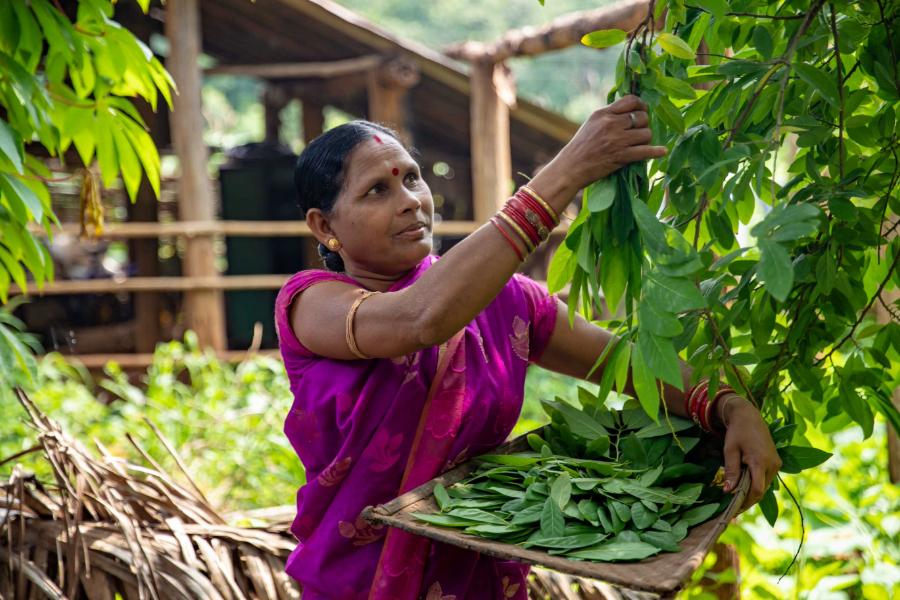
Wildlife Friendly Certified Cotton Production
Region: Satpura-Pench Corridor, India
Core raw material concerned: Cotton
Wildlife Friendly Enterprise Network has partnered with COFE and WWF-India to transform cotton farming, the backbone of the local economy, in the Satpura-Pench Tiger Corridor by introducing Wildlife Friendly® fiber certification + Regenerative practices. The inaugural project, launched in August 2024, focuses on connecting the Satpura and Pench Tiger reserves, home to several endangered species, through a corridor that spans a mosaic of farm and forest land. This is designed to reduce human and wildlife conflict and improve economic livelihoods.
Learn more here.
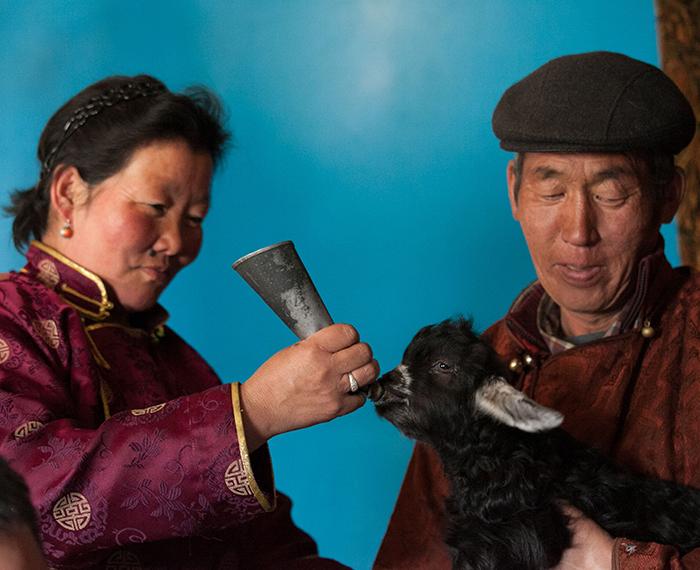
Regenerating the Rangelands of Mongolia
Region: Umnugobi, Bayankhonghor, Arkhanghai, Dundgobi, Khentii, Mongolia
Core raw material concerned: Cashmere
In 2022, the Regenerative Fund for Nature partnered with Good Growth Company to develop a plan for regenerating landscapes in Mongolia. The Mongolian Rangeland project worked with 11 communities in five regions in Mongolia to reduce overgrazing across 357,817 hectares. The initial results demonstrated the importance of equipping Indigenous herding communities with the tools and knowledge required to protect the ecosystems their livelihoods depend on. Phase one also shed light on the importance of addressing income security through the development of multiple value chains—beyond fiber—to curb overgrazing and accelerate regeneration. Project funding ended in 2024 but was extended for another year to fully assess the long-term potential of this project.
Learn more here.
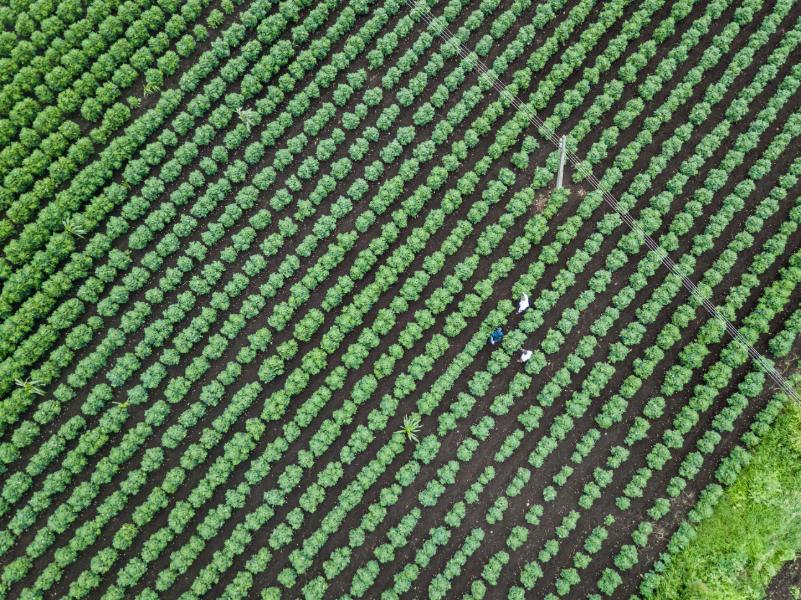
Regenerative Farming Practices
Region: Punjab and Sindh provinces, Pakistan
Core raw material concerned: Cotton
In Pakistan, the Organic Cotton Accelerator (OCA) is transitioning conventional cotton farmers and producers to regenerative practices in the Punjab and Sindh provinces with Regenerative Fund for Nature investments. The project began in 2023 with the goal of de-risking change on the ground for farmers through targeted payments.
Learn more here.

Improving Animal Welfare and Market Access for Herders
Region: Eastern Cape, South Africa
Core raw material concerned: Sheep wool
Building off an initial phase from 2021 to 2023, Conservation South Africa set out to enable farmers from six grazing associations in communal rangelands in the upper and middle Umzimvubu Catchment, Eastern Cape Province, South Africa to actively and profitably participate in the wool value chain. The project’s primary goal is the implementation of effective regenerative agricultural practices and the Responsible Wool Standard (RWS) on at least 12,000 hectares. This phase will facilitate direct access to wool markets through BKB Pty without intermediaries, leading to direct income increases for herders.
Learn more here.
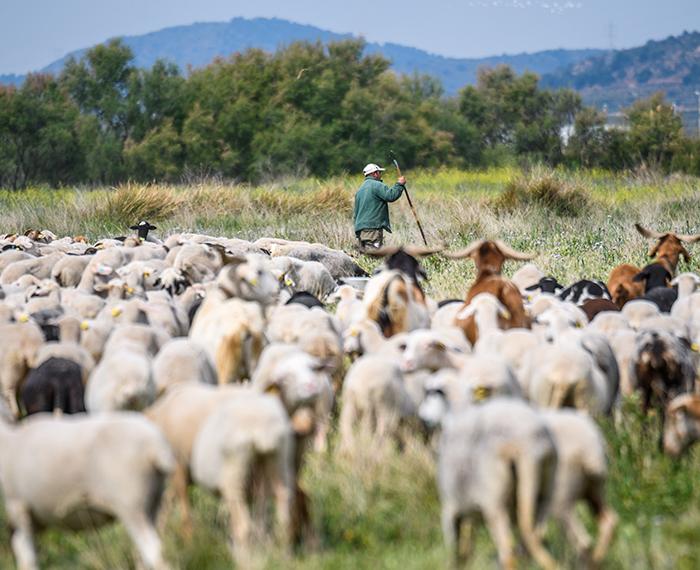
Improving Livelihoods and the Iberian Grazing Ecosystem
Region: Iberian Peninsula, Spain
Core raw material concerned: Goat leather
From 2022 to 2024, the Iberian Grazing for Biodiversity project funded through the Regenerative Fund for Nature worked directly on eight pilot farms in Spain’s Iberian Peninsula. This first phase of funding ended in 2024 and demonstrated that regenerative models can be a key tool for conserving areas of high natural value and strengthening the economic viability of this activity, however additional time and investment was needed to continue the transition. The second phase of Fundación Global Nature’s (FGN) work in the Iberian Peninsula launched in 2024 and builds upon the inaugural project. The new phase involves 15 pilot farms across key regions in Spain (Extremadura, Castilla – La Mancha, Comunidad Valenciana and Castilla y León) and aims to quantify ecosystem services, improve animal welfare and reduce chemical inputs. It will also create a regenerative leather value chain, enhance traceability and support the scalability of regenerative farming through territorial networks. This phase of the Iberian Grazing project will continue to focus on soil health, biodiversity and livelihoods.
Learn more here.
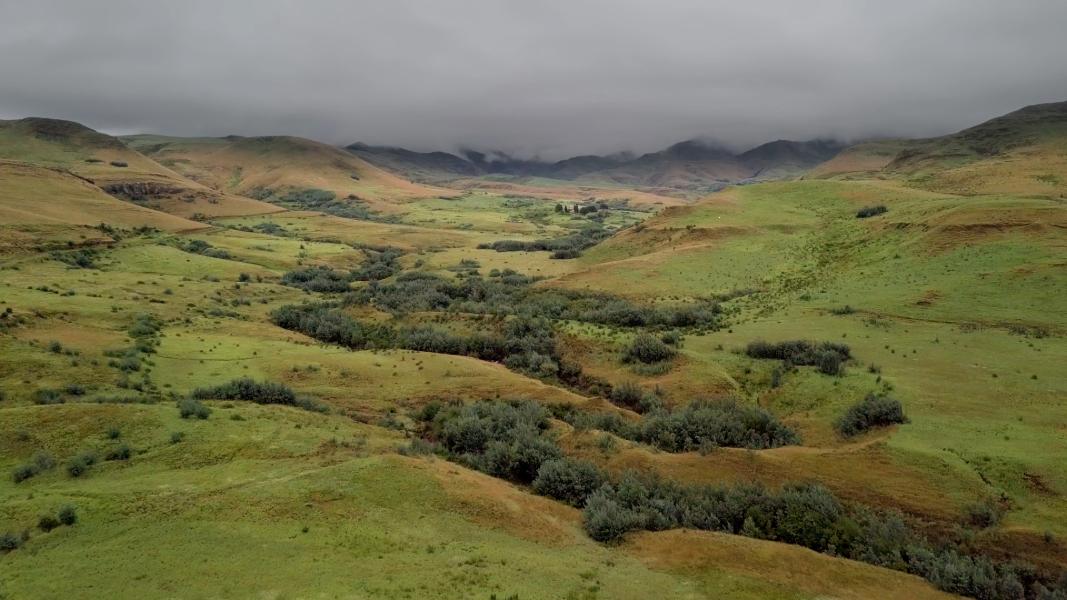
Improving Cotton Yields and Reducing Human and Wildlife Conflict
Region: Kidepo, Uganda
Core raw material concerned: Cotton
African Wildlife Foundation’s project, launched in the summer of 2024 with investment from the Regenerative Fund for Nature, focuses on improving soil health and crop yields by reducing use of synthetic inputs and establishing wildlife corridors to reduce human and wildlife conflict.
Learn more here.